10 Best Power Meters of 2025 - Threshold Cycling

10 Best Power Meters of 2026

Top 10 Power Meters for Cycling in 2026: Benchmark Comparison

Choosing the right power meter is crucial for optimizing your pacing, monitoring FTP gains, and training efficiently across road, gravel, and MTB disciplines. Below is our definitive, data-backed guide to the 10 Best Cycling Power Meters of 2026 based on weight, accuracy, battery system, and real-world reliability.


1. Best Overall Lightest Road Setup: Favero Assioma PRO RS-2

The Favero Assioma PRO RS-2 takes the #1 spot for road cyclists using Shimano® SPD-SL® cleats. Weighing an ultralight 123.5g per pedal, it features an independent sealed power spindle, 160-hour rechargeable battery life per charge, and ±1.0% precision.

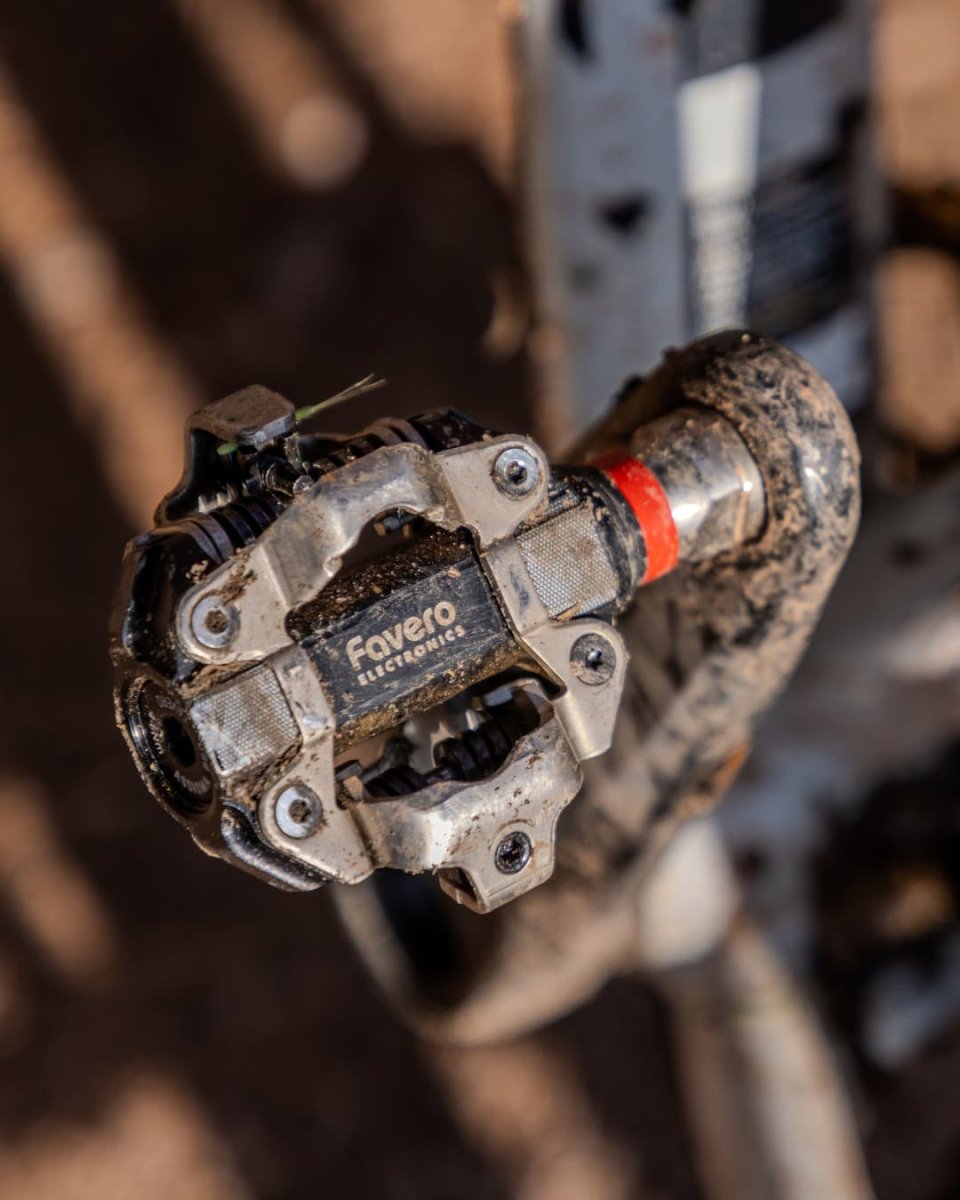
2. Best Off-Road & Gravel Dual-Sided Setup: Favero Assioma PRO MX-2

For gravel and XC mountain bike riders, the Favero Assioma PRO MX-2 delivers full Shimano SPD cleat compatibility, 6061-T6 aluminum impact resistance, IP67 waterproof protection, and 100+ hours of battery life.

3. Best Advanced Cycling Dynamics: Garmin Rally RK200

The Garmin Rally RK200 offers complete dual-sensing metrics for Look Keo cleats, including left/right balance, seated vs. standing tracking, and Platform Center Offset (PCO) for deep biomechanical analysis.

4. Best Lightest Single-Sided Road Upgrade: Favero Assioma PRO RS-1

For budget-conscious road cyclists wanting Shimano SPD-SL compatibility, the Favero Assioma PRO RS-1 measures left-leg power with zero weight penalty (123.5g/pedal) and offers a seamless upgrade path to dual-sensing RS-2 at any time.

5. Best Off-Road Single-Sided Setup: Favero Assioma PRO MX-1

The Favero Assioma PRO MX-1 is the premier entry point for gravel and MTB riders, combining SPD cleat engagement and 100+ hour battery life.

6. Best Off-Road Garmin Power Meter: Garmin Rally XC200

The Garmin Rally XC200 features dual-sensing power measurement built into a rugged dual-sided SPD off-road pedal body for extreme trail conditions.

7. Best Shimano Spindle Adapter: Favero Assioma DUO-Shi

The Favero Assioma DUO-Shi allows cyclists to thread Favero power spindles directly into compatible Shimano PD-R8000, R7000, 6800, R550, or R540 pedal bodies.

8. Best Look Keo Dual-Sided Road Setup: Favero Assioma PRO RL-2

Engineered for Look Keo road cyclists, the Favero Assioma PRO RL-2 provides dual-sensing accuracy, rechargeable magnetic batteries, and full factory warranty coverage.

9. Best Entry-Level Look Keo Garmin Option: Garmin Rally RK100

The Garmin Rally RK100 provides accurate left-sided power measurement for Look Keo setups, fully expandable to dual-sensing RK200.

10. Best Proven Value Dual-Sided Classic: Favero Assioma UNO

The classic Favero Assioma UNO remains one of the most reliable and affordable single-sided power meters on the market.


Browse all power meters in our Favero Assioma Collection and Garmin Rally Collection with fast US warehouse shipping and full manufacturer warranty.

Back to blog

Leave a comment

Ready to learn more?

Frequently Asked Questions

How often should I re-test my FTP and set up my power training zones again?

Your FTP, or Functional Threshold Power, is key for setting your personal power training zones. As you train more and get fitter, your FTP will likely go up. Most people should re-test their FTP every 4 to 8 weeks. This is extra helpful during periods of focused structured training. Testing often makes sure your power training zones are correct for how fit you are right now. This helps you train smarter and ride better.

Besides just how many watts I produce, how else can things like left/right balance help my cycling?

Knowing your watts tells you your total power. But some cycling power meters give you more helpful details, called advanced metrics. Your left/right balance shows if one leg is working harder than the other. If they are very uneven, it could make you less efficient or even cause injury. Seeing this helps you work on pedaling more evenly. Other stats, like pedaling dynamics, show how smoothly you push the pedals. These details can help you pedal better and boost your performance.

What are the key factors to consider when choosing a cycling power meter?

When selecting a power meter, consider accuracy, battery life, compatibility with your bike, ease of installation, and your budget. Also think about whether you need single-sided or dual-sided measurement, and which data metrics are most important for your training goals.

If I'm new to using power, which kind of cycling power meter (like pedal, crank, or spider) is good to start with?

For a beginner, the best cycling power meter often depends on your bike and what you want to spend. Pedal-based power meters are easy to move between different bikes. This makes them a good choice if you ride more than one bike. Crank arm-based power meters (especially ones that measure just one side) can cost less. Spider-based and hub-based systems are more built-in but might only fit certain bike parts. Think about how easy it is to put on your bike, if it works with your bike parts, if you want left/right balance data, and the price when you decide.

Can you show me a simple way to use power, heart rate and RPE together on a training ride?

Yes! Let's say you are doing intervals where you ride hard for short times, aiming for your Threshold zone (Zone 4). You'll use your power meter to stay in the right range of watts for that zone. Watch your heart rate too. If it's much higher or lower than normal for that power, you might be tired, low on fluids, or stressed. Also, use RPE (Rate of Perceived Exertion), which is how hard the effort feels to you. If the effort feels much harder than usual for that power and heart rate, something else might be affecting your ride, like poor sleep. Using all three together gives you a clearer picture of how your body is doing during training.

How do pedal-based power meters compare to crank-based systems?

Pedal-based power meters like the Favero Assioma Duo offer easy installation and transferability between bikes, while crank-based systems like the 4iiii Precision 3+ typically provide longer battery life and add less weight. Pedal systems often offer dual-sided measurement, while some crank systems only measure one side.

Are cycling power meters worth the investment for amateur riders?

Power meters can be valuable for amateur riders serious about improving their performance. They provide objective data on your effort and progress, allowing for more structured and effective training. However, casual riders may find heart rate monitors sufficient for their needs.

What level of accuracy can I expect from a modern cycling power meter?

Most high-quality power meters today offer accuracy within ±1-2% of actual power output. Some specialized units like the Verve InfoCrank Classic claim even higher precision. For most riders, accuracy within ±2% is more than adequate for effective training.

How does battery life vary between different types of power meters?

Battery life can vary significantly between power meter types. Pedal-based systems typically offer 50-120 hours per charge, while some crank-based systems like the 4iiii Precision 3+ boast up to 800 hours of battery life. Consider your riding habits and charging preferences when evaluating battery performance.